Quality & testing
What is free acidity in olive oil?
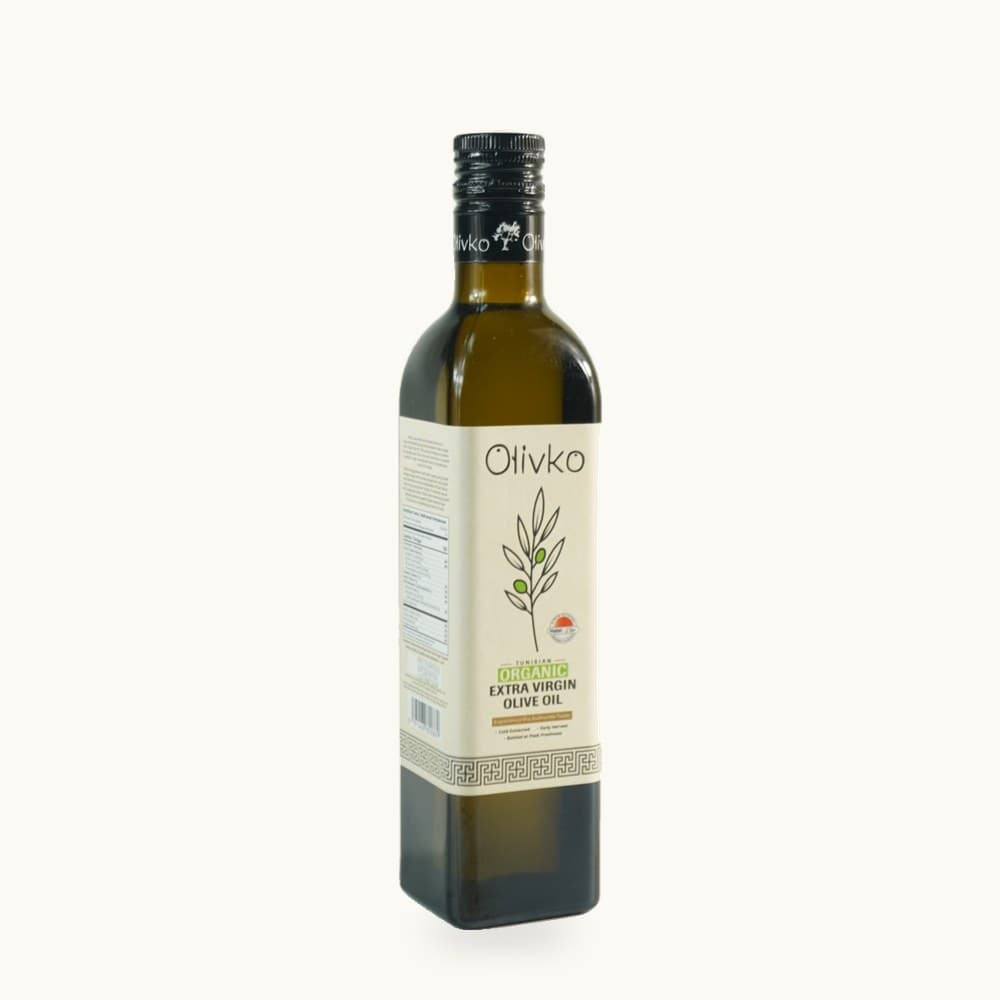
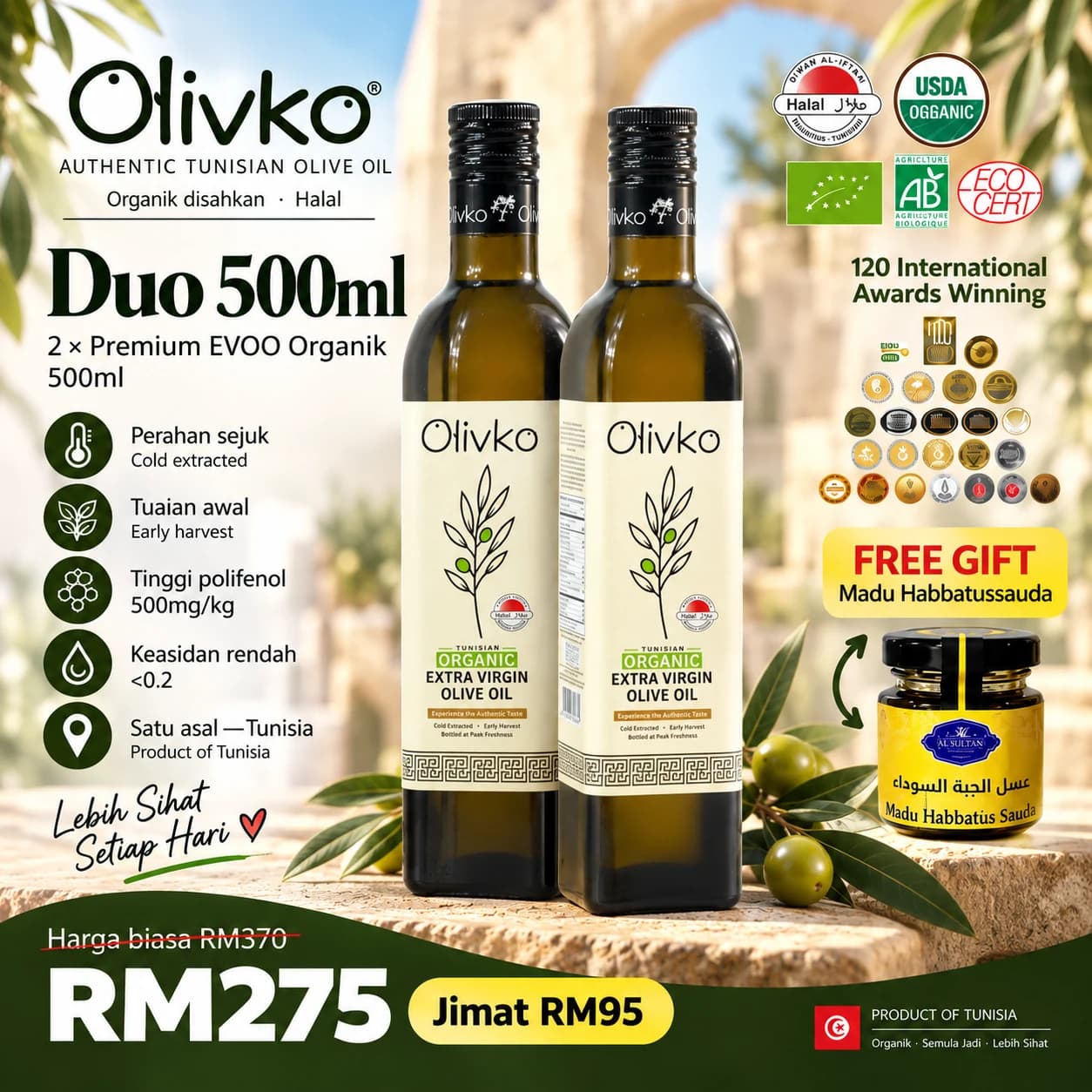
The international limit is 0.8%. Olivko measures 0.18%. What does that mean?
10 October 2026 · 1 min read
Free acidity has nothing to do with sour taste. It is not pH. It measures how many fatty acids in the oil have broken free of their original structure — and that tells you something about the condition of the fruit before it was pressed.
Why the number rises
- Olives that fell to the ground and were collected later
- Fruit bruised or damaged in transport
- A long gap between harvest and pressing
- Heat during storage or processing
Each of these gives enzymes time to break the fats down. So low acidity is not just a flattering number — it is evidence that the fruit was in good condition and was processed quickly.
The official limits
- Extra virgin: maximum 0.8%
- Virgin: maximum 2.0%
- Refined olive oil: higher, then chemically reduced
Note that 0.8% is a pass mark, not a full score. Oil at 0.75% and oil at 0.18% can both be labelled extra virgin, but they are not the same product.
What else gets measured
Olivko's laboratory report (ONH Tunis, N° 2025B1064) also records a peroxide value of 8.0, K232 at 2.13, K270 at 0.15, and moisture at 0.10%. Peroxide value indicates early oxidation; K232 and K270 detect whether the oil has been exposed to heat or processing. All sit within the extra virgin limits.
Acidity varies by harvest, so the honest figure is the one on the report for the batch you are buying — not a marketing number printed once and kept forever.