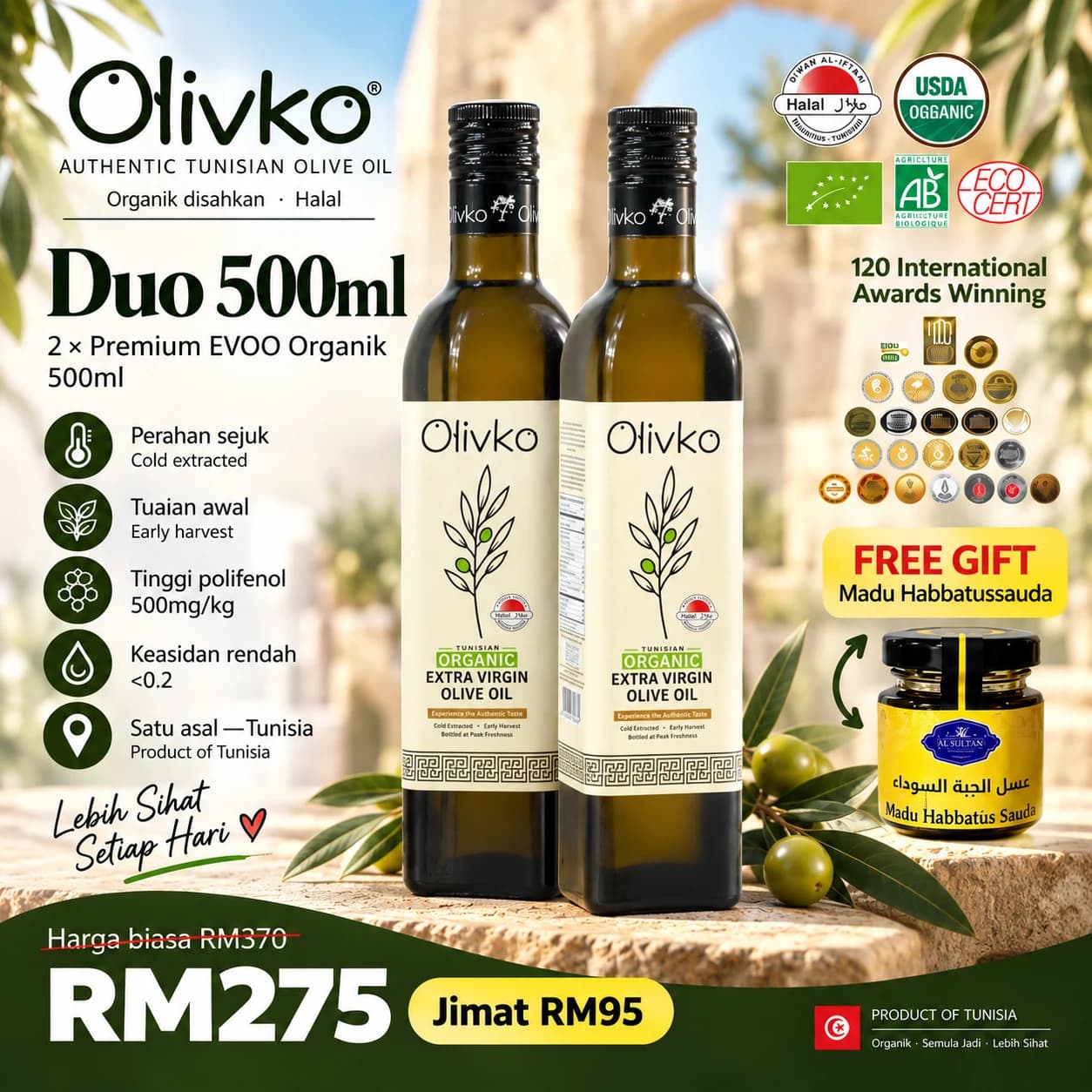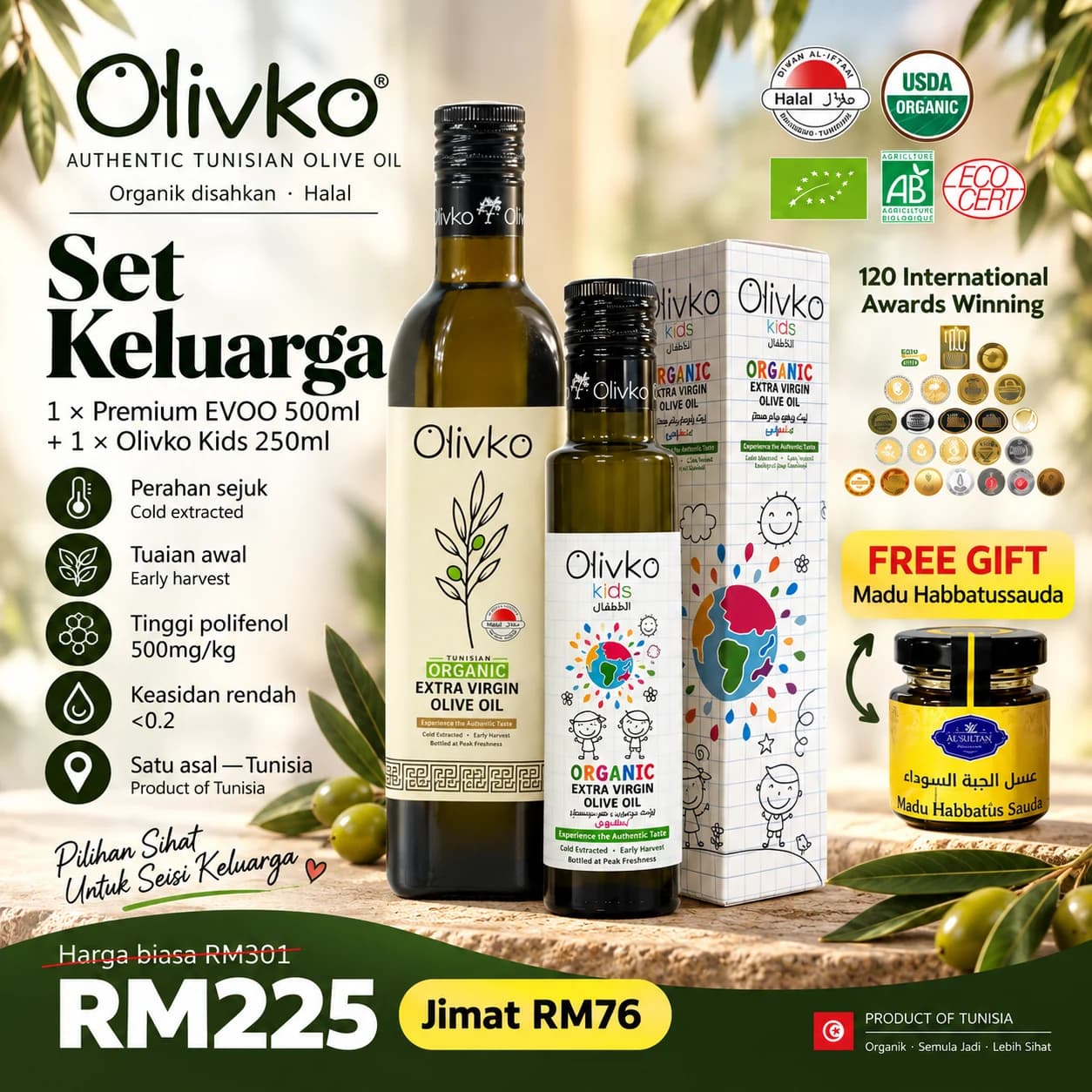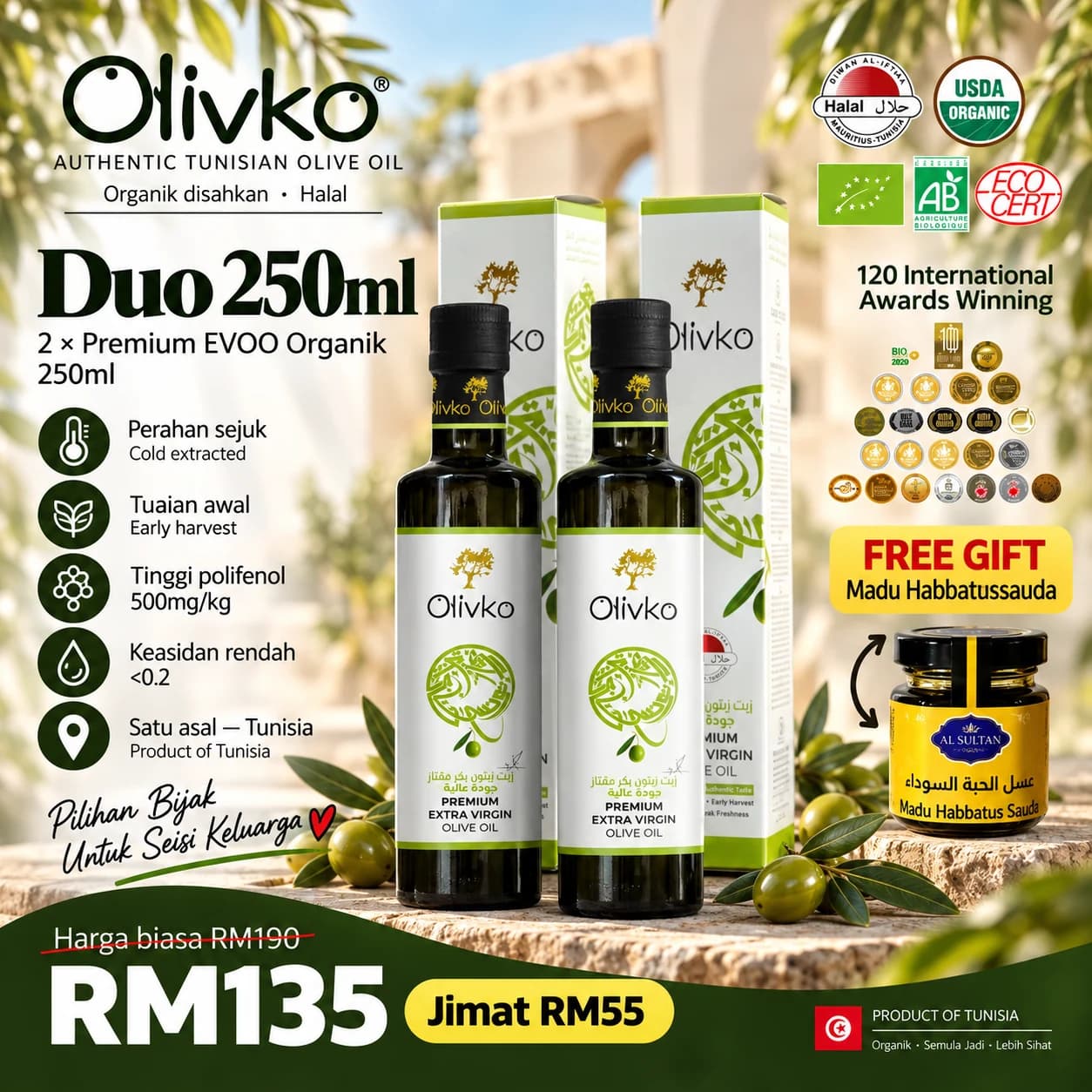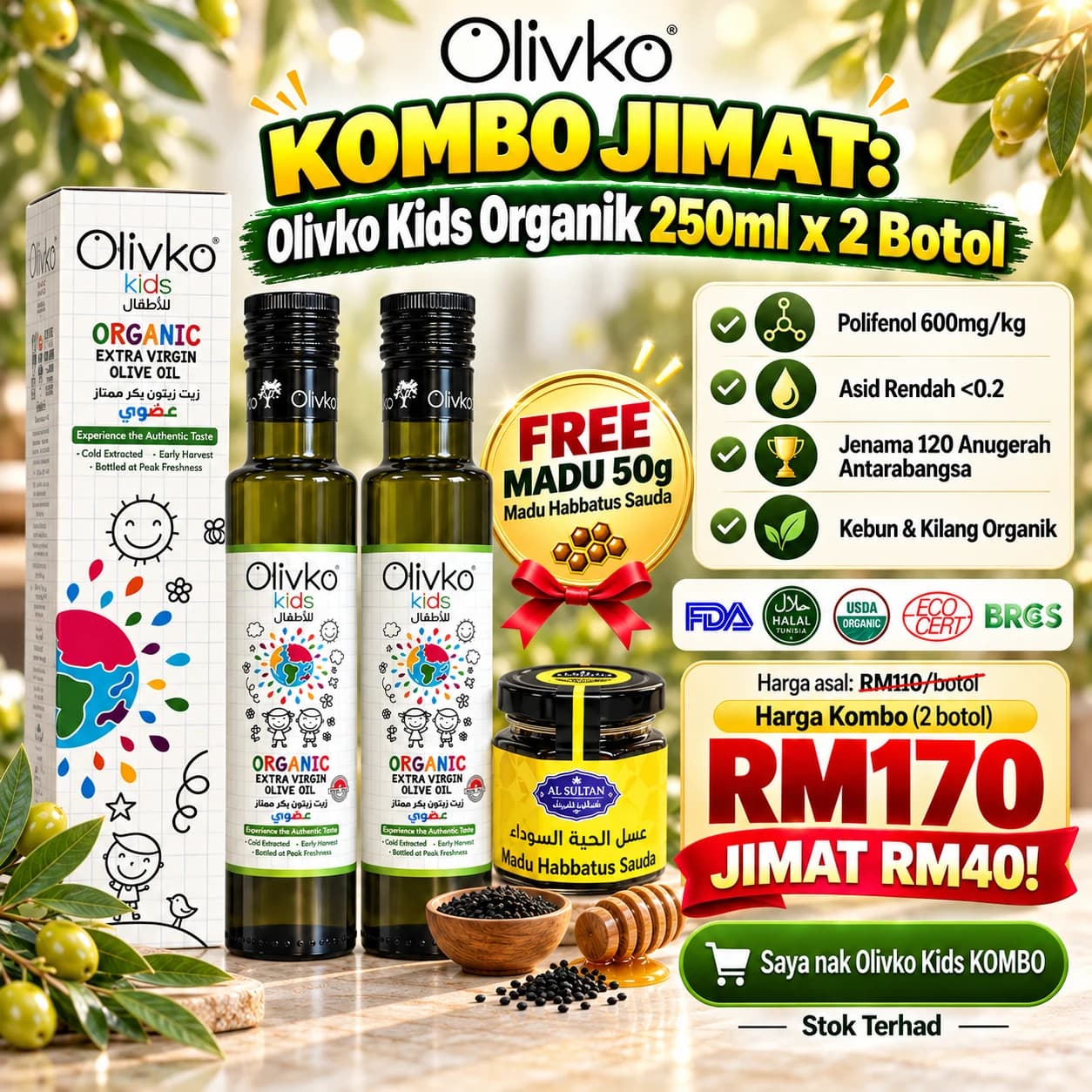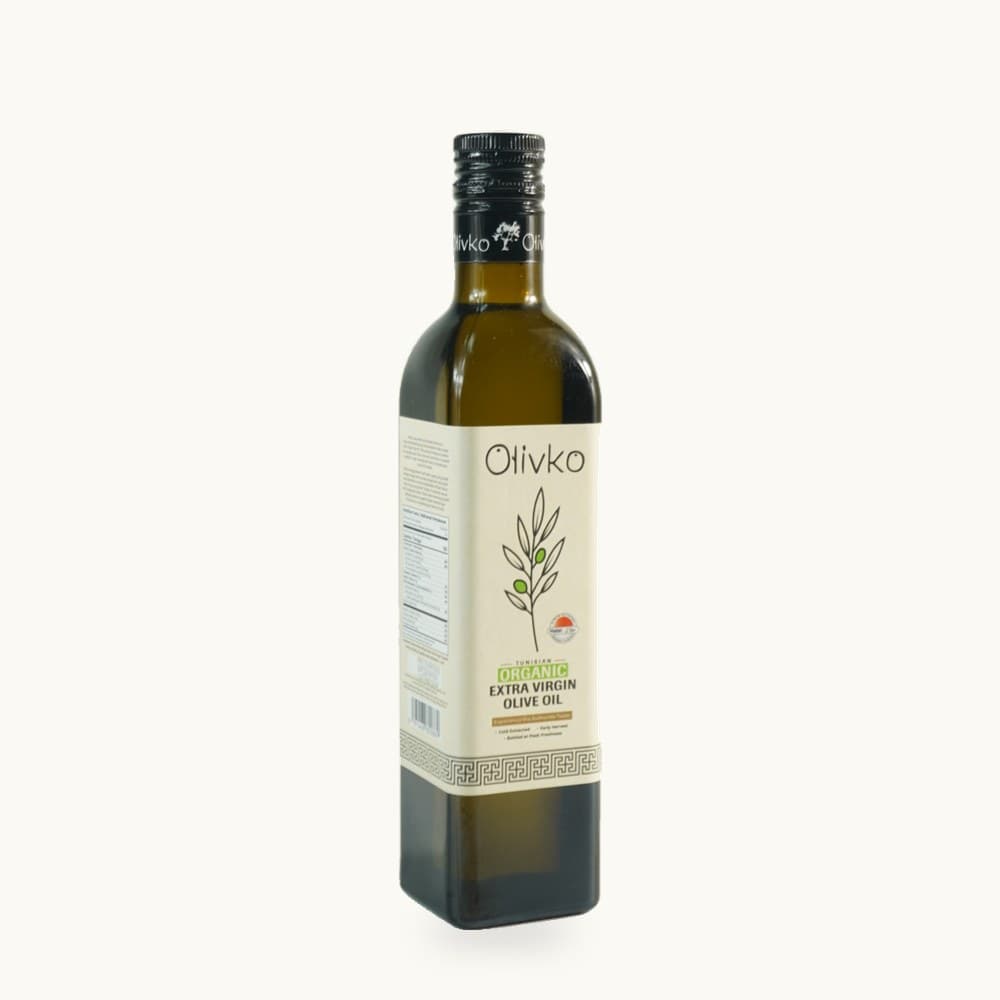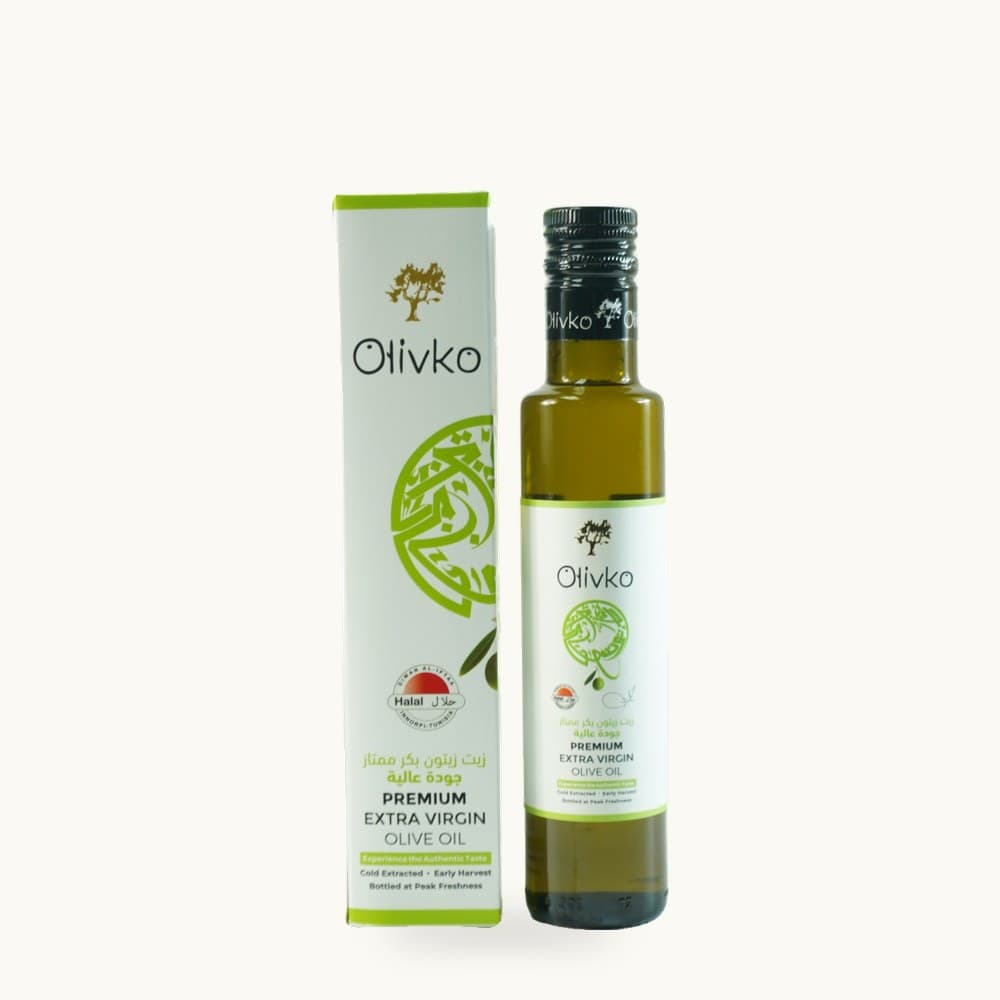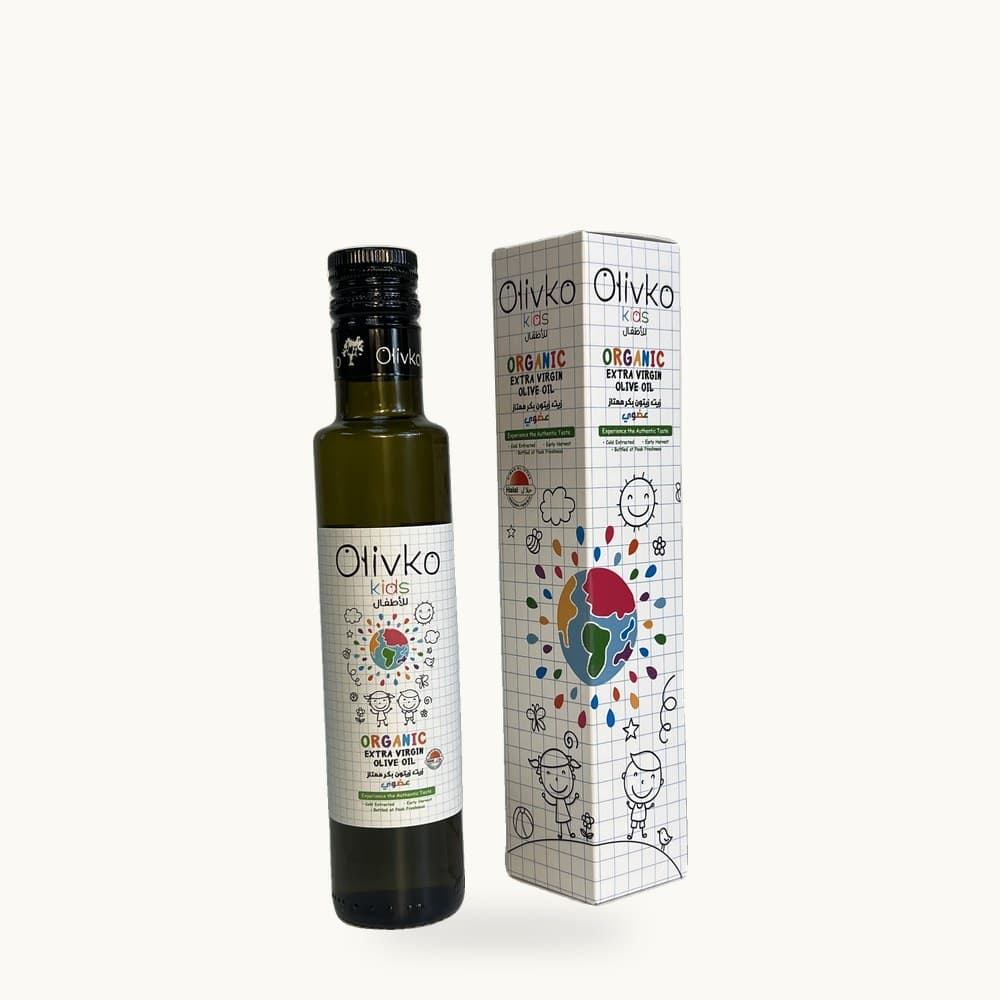
- Best Value
- Free Honey
- For Families
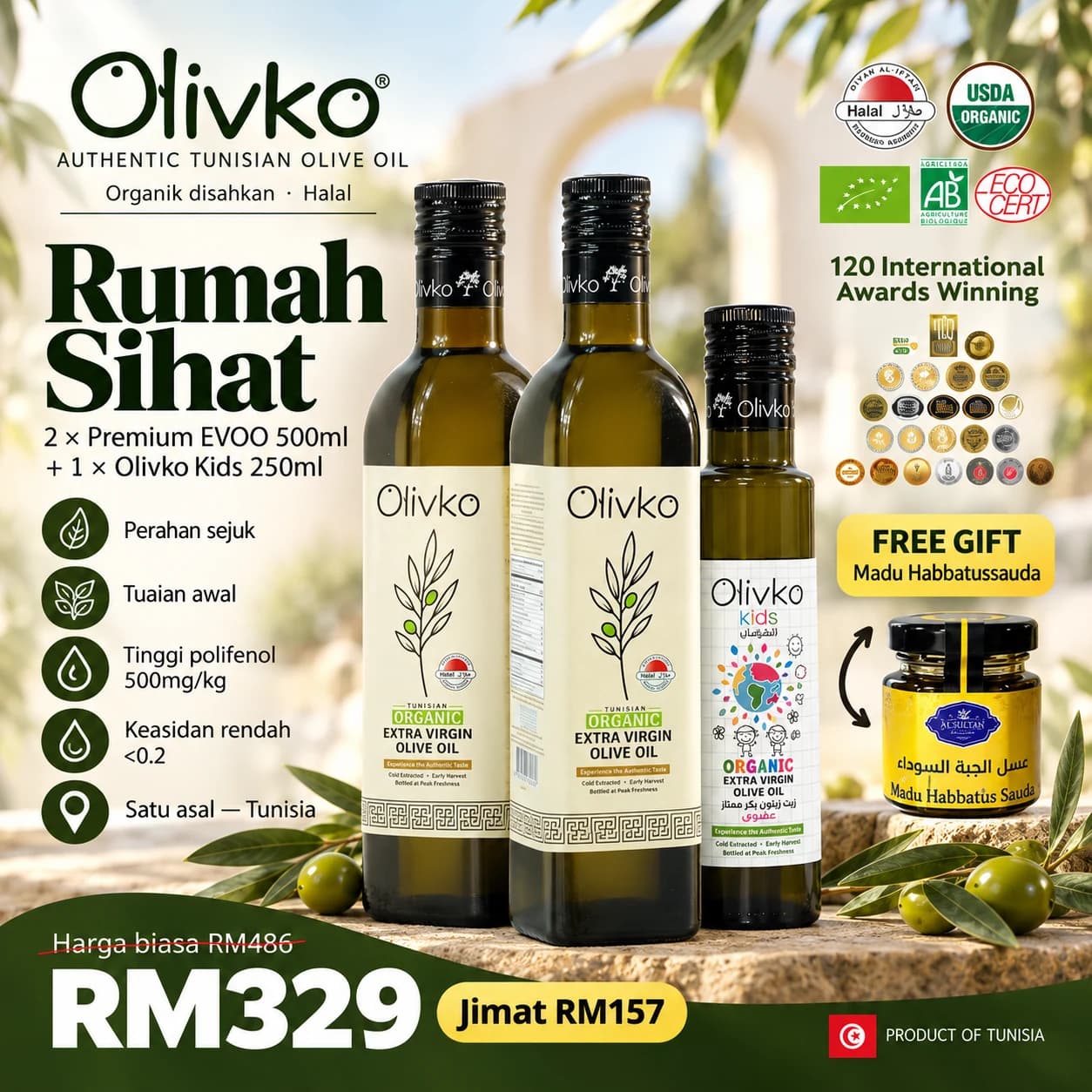
Olivko Rumah Sihat Set
2 × 500ml + 1 × Kids 250ml
RM329Regular price: RM486
🎁 FREE Madu Habbatussauda
Free Madu Habbatussauda with every Olivko bundleSee the bundles
Extra Virgin Olive Oil from Tunisia
Most olive oil asks you to take its word for it. Olivko gives you the numbers: free acidity below 0.2% and approximately 500 mg/kg of natural polyphenols — from one source in Tunisia, bottled there.
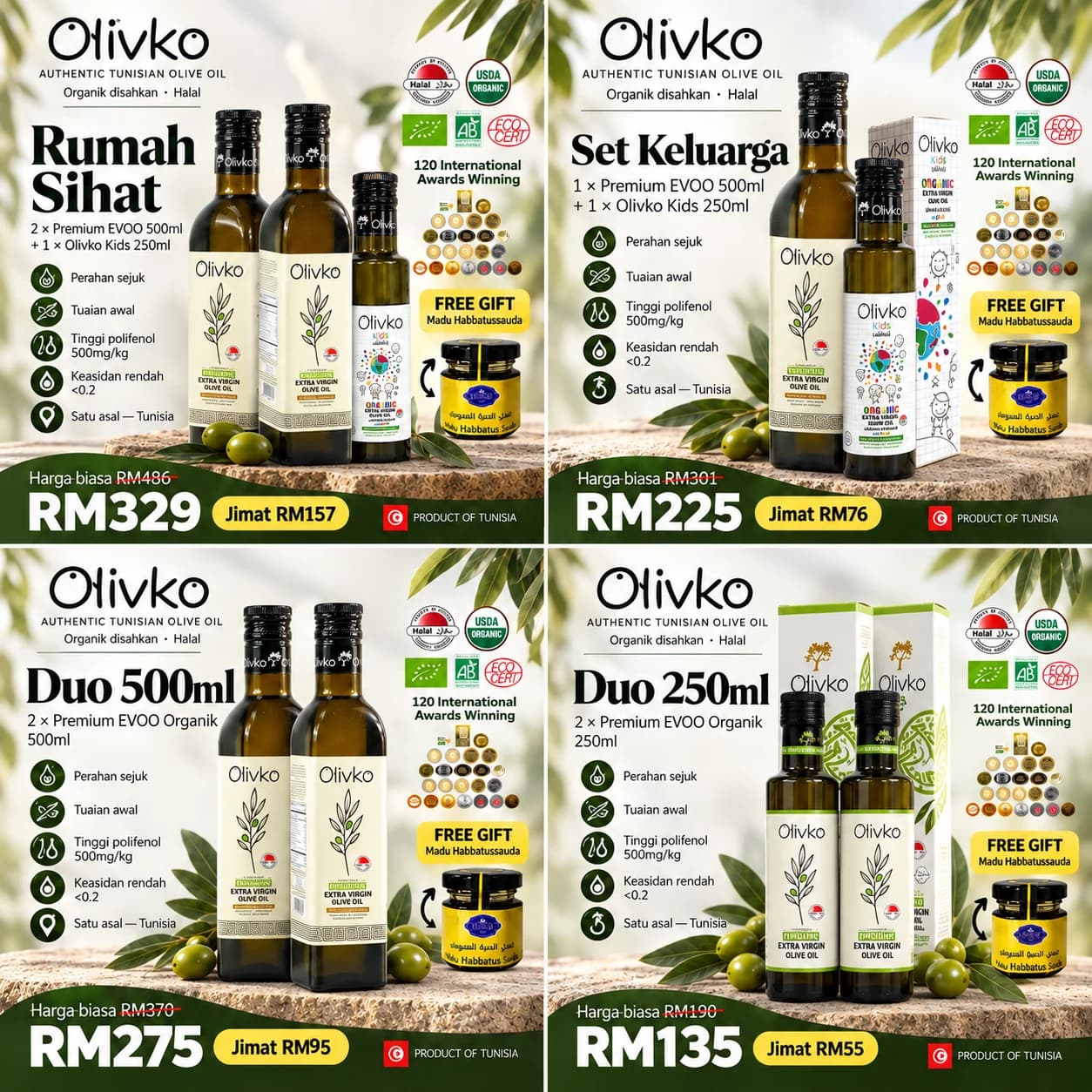
Bundles
Every bundle comes with a free jar of Madu Habbatussauda.
2 × 500ml + 1 × Kids 250ml
🎁 FREE Madu Habbatussauda
1 × 500ml + 1 × Kids 250ml
🎁 FREE Madu Habbatussauda
Tree to bottle
Olive oil quality is decided long before the bottle reaches your kitchen. These are the five stages that matter.
Olivko comes from Tunisia, one of the oldest olive oil producing regions in the Mediterranean. One source, one country.
The fruit is early harvest and hand picked. An early harvest gives a greener, fresher oil with a higher polyphenol level.
First cold pressed, within roughly 3–4 hours of harvest. Rapid, controlled processing.
Olive oil degrades when it meets light and oxygen. Olivko is CO₂ sealed and filled into dark glass bottles.
From tree to bottle, then shipped to Malaysia in a temperature controlled shipment. A source you can trace.
Quality You Can Measure
"Extra virgin" is a broad grade. The IOC acidity limit is 0.8% — an oil at 0.7% and an oil at 0.18% both qualify. That is why the real number matters.
<0.2%
IOC EVOO standard limit
Free acidity is the basic indicator of olive oil quality. The lower it is, the better the condition of the fruit and the extraction. The IOC standard allows up to 0.8% for extra virgin. Olivko sits below 0.2%.
≈500 mg/kg
Polyphenols are naturally occurring antioxidant compounds in the olive fruit. The level can be measured and varies with variety, harvest timing and processing. Olivko carries approximately 500 mg/kg.
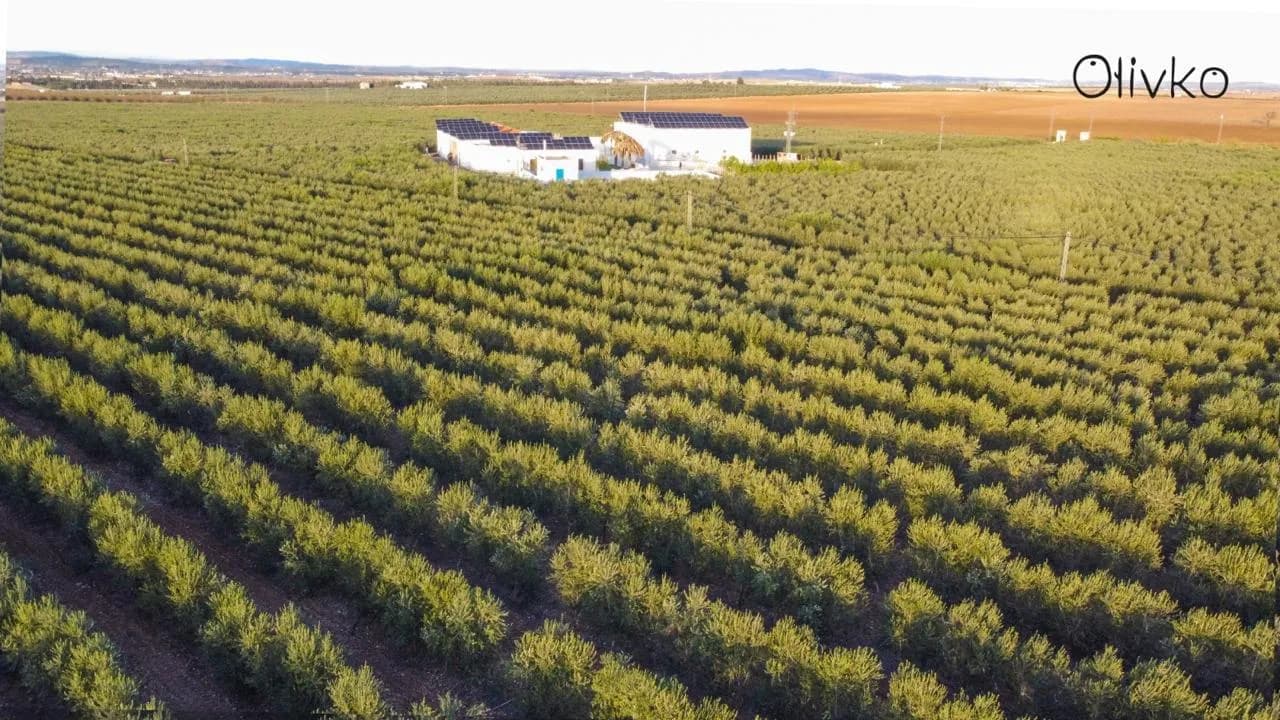
The same grove, every season
The fruit is picked early in the season and cold extracted close to the grove, so the oil that reaches Malaysia comes from the same single source each time.
From the grove to your kitchen
The quality of an olive oil is decided on the day it is picked, not afterwards. This is what happens to every batch of Olivko.
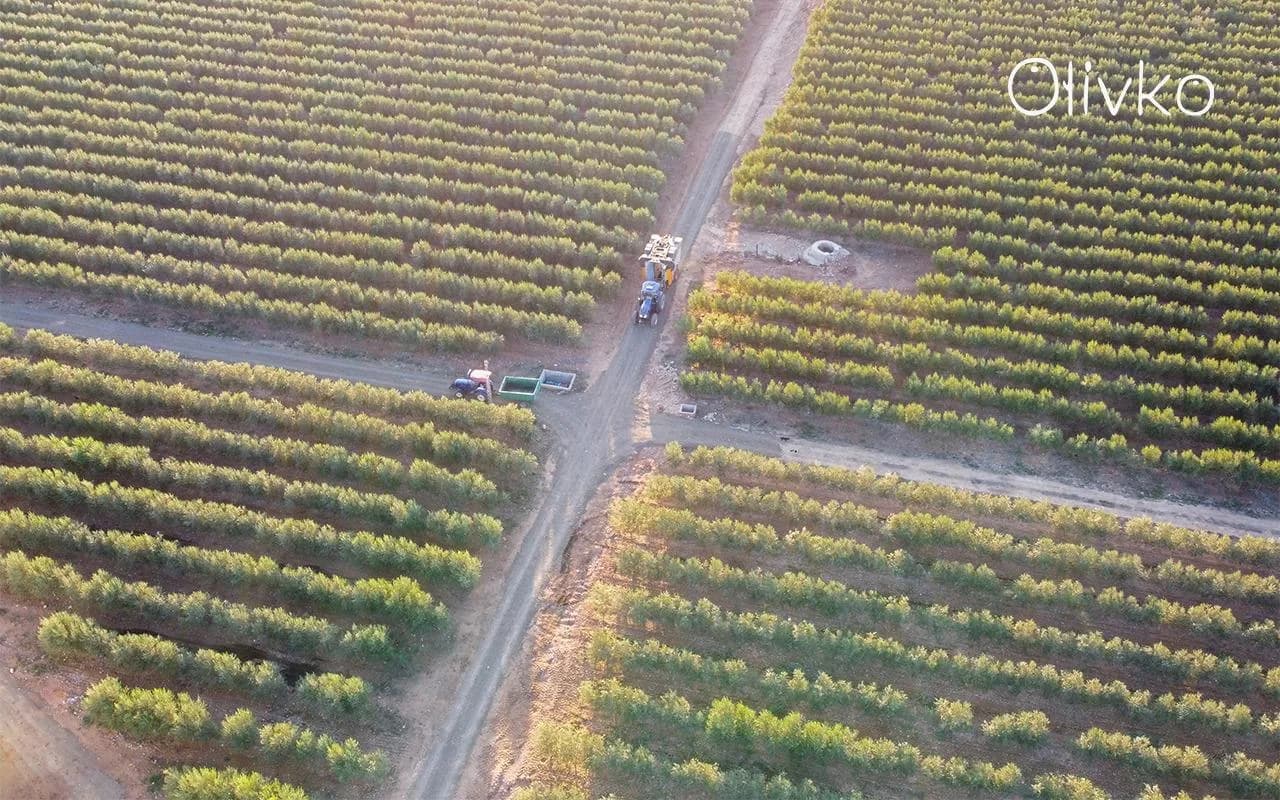
The fruit is picked while still green. That yields less oil per tree, but higher polyphenols and more flavour.
Hand picking avoids bruising the fruit. Bruised fruit starts to degrade before it ever reaches the press.
Pressing happens close to the grove, without heat. The longer the gap between picking and pressing, the higher the acidity.
Free acidity, peroxide value, K232 and K270 are checked before bottling. The ONH report puts acidity at 0.18%.
Oxygen and light are what spoil olive oil. Both are shut out before the bottle leaves the plant.
The journey to Malaysia is temperature controlled, so the oil you open is the oil that was bottled.
From Tunisia to Malaysia
Tunisia is among the oldest olive oil producing regions in the Mediterranean. Olivko comes from there — not a blend of several countries, not repacked somewhere else.
The fruit is early harvest, hand picked and cold extracted within roughly 3–4 hours. The oil is then CO₂ sealed, filled into dark glass, and shipped to Malaysia in a temperature controlled shipment.
Certifications
Organic, food safety and halal — each from a recognised body.
Ecocert Organic
USDA Organic
EU Organic
Halal

FSSC 22000
BRCGS Food Safety
FDA Registration
International Recognition
Olivko has been recognised through international olive oil competitions.
100+international awards
NYIOOC World Olive Oil Competition
London IOOC
EVO IOOC
IOC Mario Solinas
Olive Japan
Oil China
Leone d'Oro
Full Collection
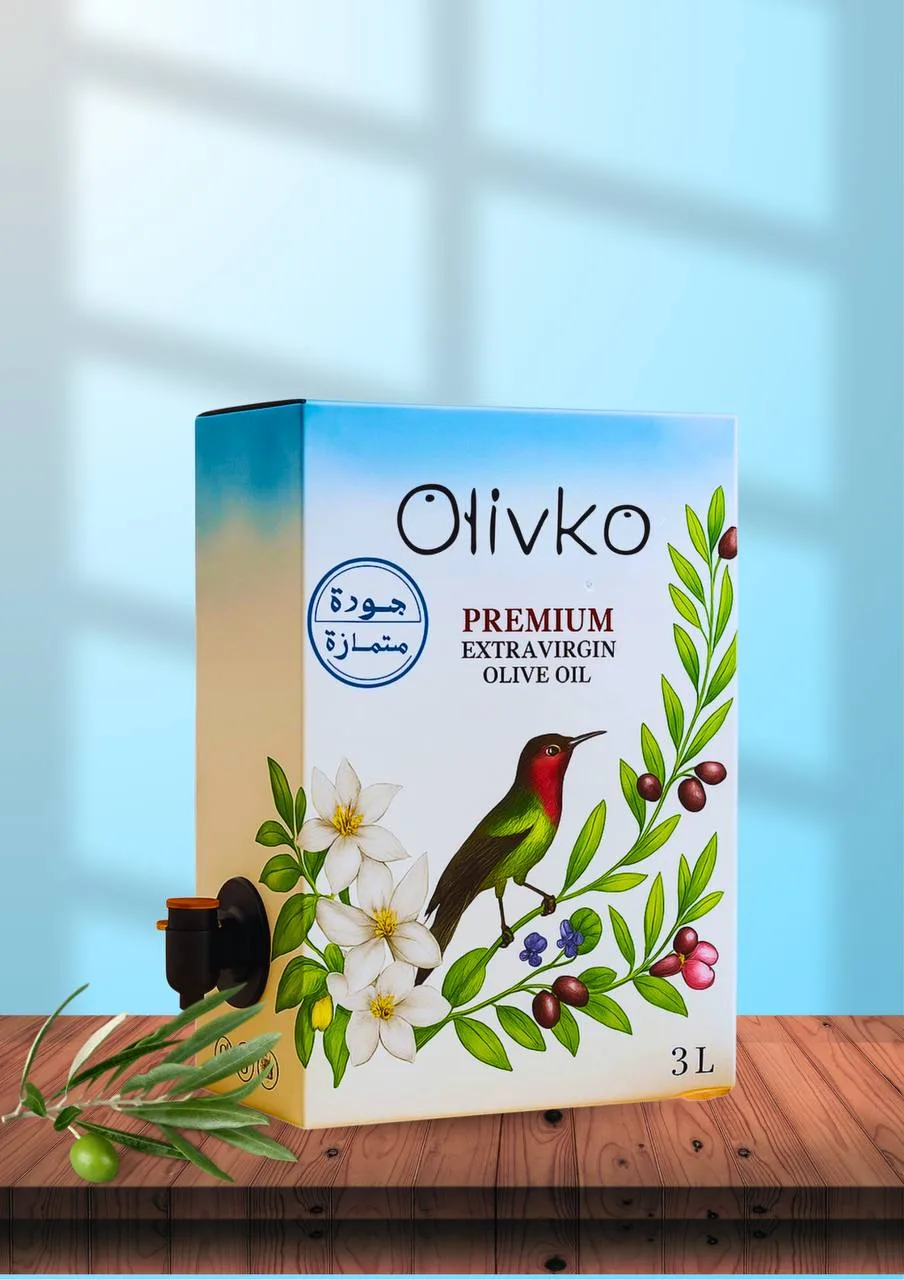
Nine options, from a 250ml bottle to 3 litres.
Before You Buy
Five quick questions you can put to any brand, including ours.
A good olive oil can state its free acidity. If that number appears nowhere, you have no way to compare.
Look for a single country of origin, not a list of several. "Packed in" is not the same as "bottled at source".
Light damages olive oil. Dark glass or tin protects the oil far better than a clear bottle under bright shelf lighting.
Olive oil is not wine — it does not improve with age. The closer to harvest, the better.
"Extra virgin" is a broad grade. The IOC limit is 0.8% acidity. An oil at 0.7% and an oil at 0.18% can both be called extra virgin.
FAQ
Extra virgin means the oil was extracted mechanically, without high heat or chemicals, and meets set quality limits. "Pure" or ordinary olive oil is usually a blend containing refined oil. The difference is measurable — free acidity being one of the measures.
The International Olive Council (IOC) standard allows free acidity up to 0.8% for extra virgin. That is a maximum, not a target. Olivko sits below 0.2%, less than a quarter of that limit. Low acidity points to fruit in good condition, processed quickly.
Polyphenols are naturally occurring antioxidant compounds found in the olive fruit. The level is measurable and depends on variety, harvest timing and processing. Olivko carries approximately 500 mg/kg total polyphenols.
Yes. Olivko is halal, recognised by JAKIM.
Yes. Olivko is certified Ecocert Organic, USDA Organic and EU Organic, and follows the FSSC 22000 and BRCGS food safety standards, with FDA registration.
Tunisia. Olivko is 100% single origin and bottled in Tunisia, not repacked elsewhere. Easy Global Ventures Sdn. Bhd. is the official importer of Olivko in Malaysia.
Quality You Can Measure
Choose your bundle. Every one comes with a free Madu Habbatussauda.
Shop Now