Buying guides
Olive oil compared with other cooking oils
Every oil has its place. Here is how to pick for each job.
11 October 2026 · 1 min read
No single oil is best for everything. The real differences lie in how each is made and how it behaves under heat.
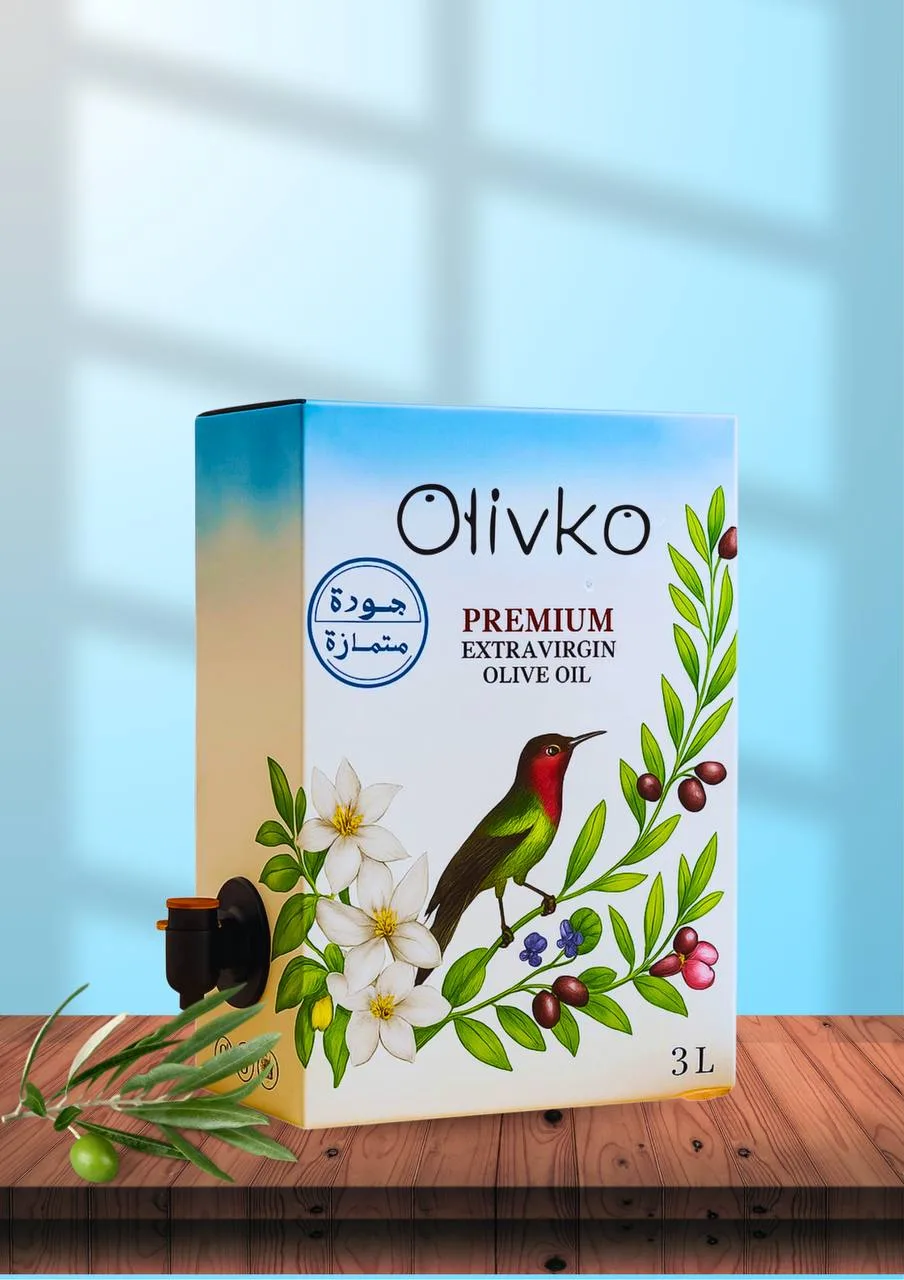
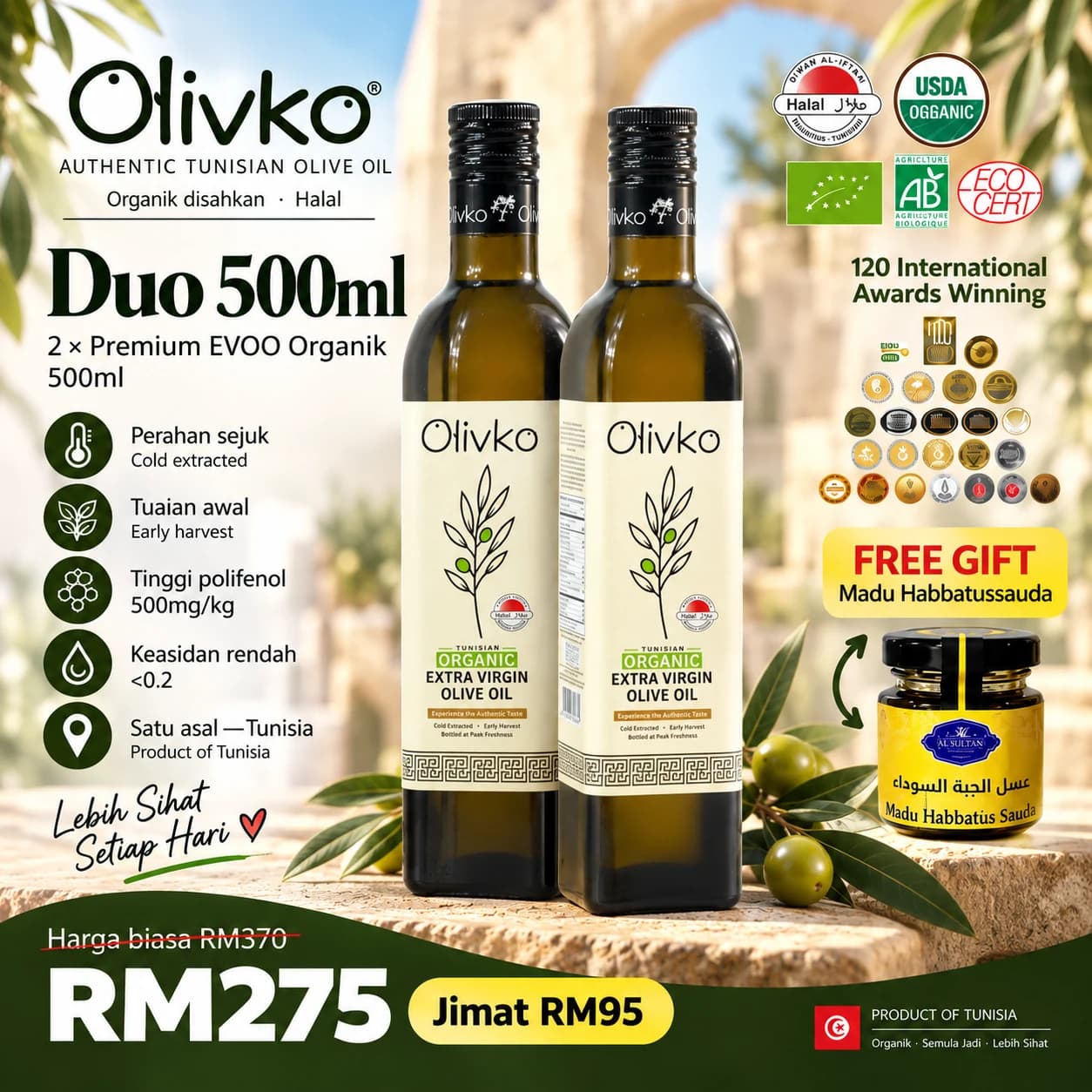
Extra virgin olive oil
Mechanically pressed from fruit, without high heat or solvents. It keeps the flavour and polyphenols of that fruit. Best value used raw or at moderate heat. It costs more because the process is slower and the yield smaller.
Coconut oil
A strong flavour and aroma that suits some dishes and intrudes on others. Solid at room temperature in cooler climates, liquid in Malaysia. A good choice when the coconut note is actually wanted.
Palm and everyday cooking oil
Cheap, stable at high heat, and neutral in flavour. This is the sensible choice for deep frying in volume. It is refined, so it carries no flavour or polyphenols.
Sunflower and seed oils
Neutral and inexpensive, usually extracted with heat or solvents then refined. Useful for baking where you do not want the oil to be tasted.
A practical approach
Most Malaysian kitchens keep two oils: a cheap neutral one for frying, and an extra virgin for raw dishes, salads and finishing. That is the most sensible way to get the flavour without waste.
We make no health comparison between oils. The differences described here are about processing, flavour and use.