Comparisons
Organic or ordinary olive oil: is it worth it
Organic is a claim about method, not about the quality of the oil.
18 October 2026 · 2 min read
These are two different questions that often get folded into one. "Is it organic" and "is it good oil" do not answer the same thing, and a bottle can be one without the other.
What organic guarantees
Organic certification is a claim about method. It tells you the grove was managed under a written standard restricting synthetic pesticides and fertilisers, and that compliance was audited.
It also tells you the land went through a conversion period of several years before its crop could be sold as organic. That is part of why organic olive oil costs more — the cost begins years before the first bottle is sold.
What it does not guarantee
When the fruit was picked. How fast it was pressed. Whether it was cold pressed. Whether the oil meets the extra virgin standard. How it was stored afterwards.
Every one of those affects how the oil tastes and what its laboratory figures say, and none is checked by an organic audit.
That means an oil can be fully certified organic and still be poor, and an oil can be excellent extra virgin without organic certification.
"Chemical free" is not what it means
Organic standards restrict synthetic inputs and audit their use. They do not mean zero inputs, because certain naturally derived substances are permitted under those rules.
We put it precisely because the distinction matters. "Managed under an audited organic standard" is a supportable claim. "Chemical free" is not.
How to check a certificate
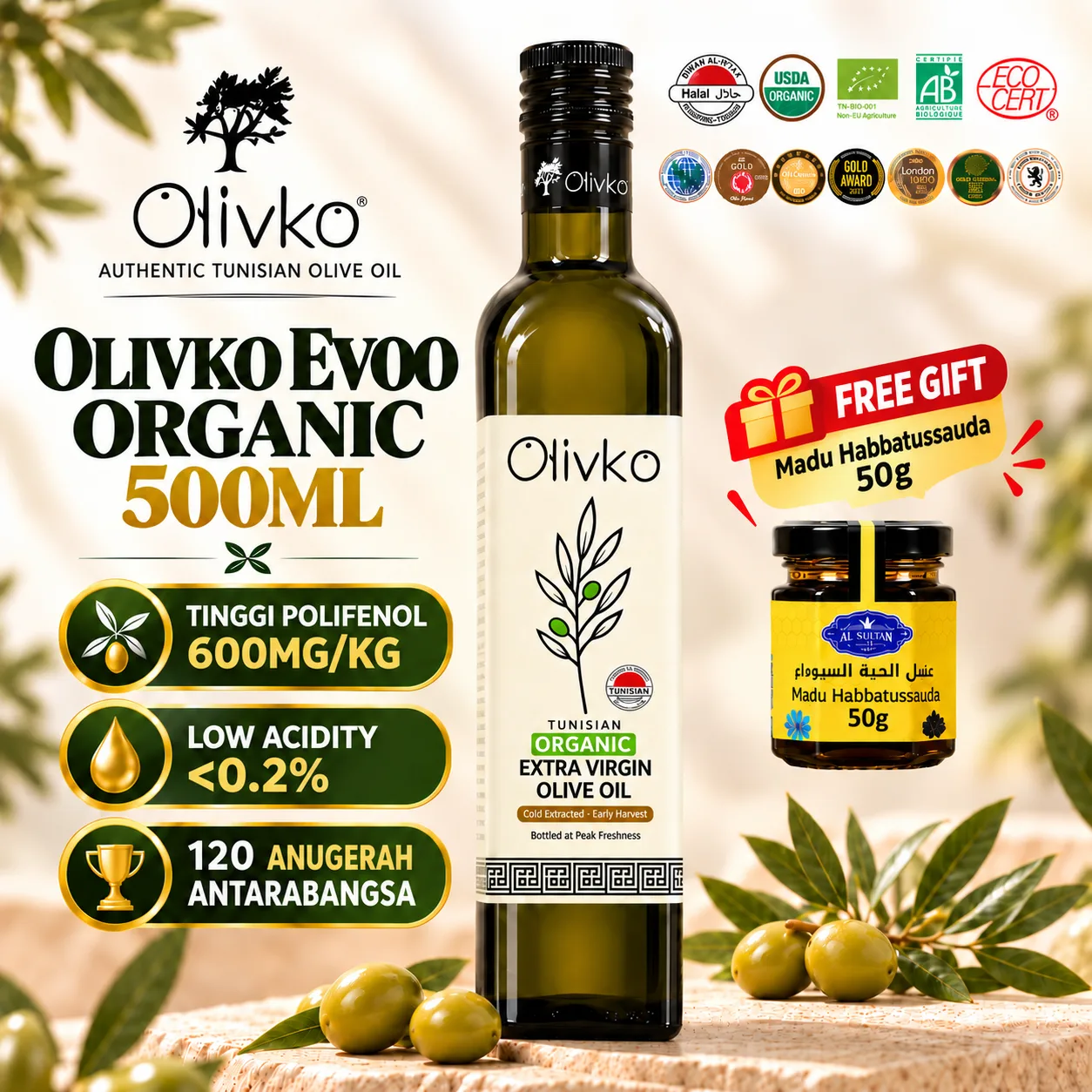
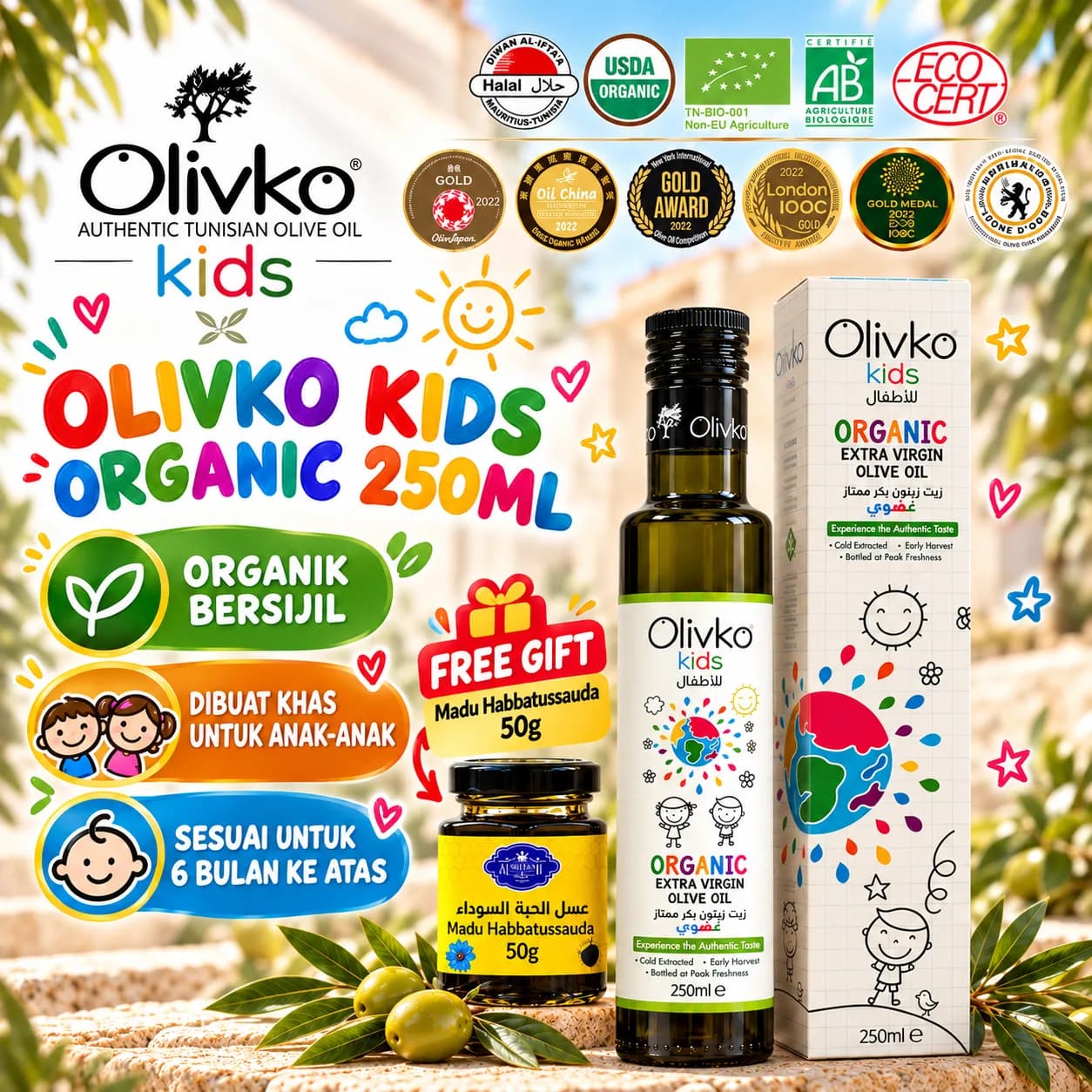
- 1.Find the certifying body named on the label — Ecocert, USDA Organic, EU Organic — not just the word "organic"
- 2.Look for the certificate code or number alongside it
- 3.The major certifiers maintain searchable databases of operators
- 4.If a seller cannot tell you who issued it, treat the claim as unsupported
So is it worth it
If growing method matters to you, yes — it is the only way to verify it, and it is audited. If what you care about is the quality of the oil in the bottle, organic certification is not the answer.
For that, look at the grade, the free acidity, the peroxide value and the harvest date. Ideally you want both — and both can be checked separately.